

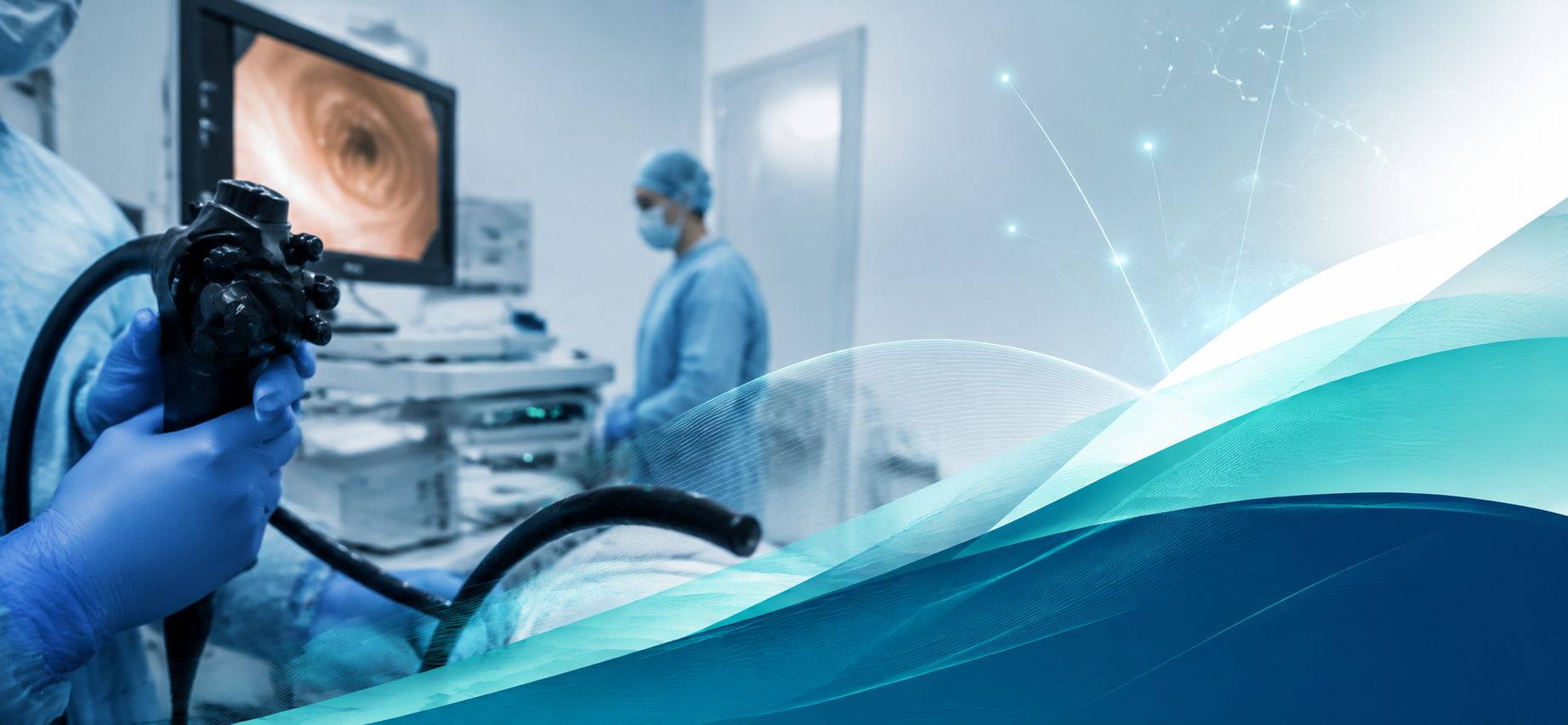
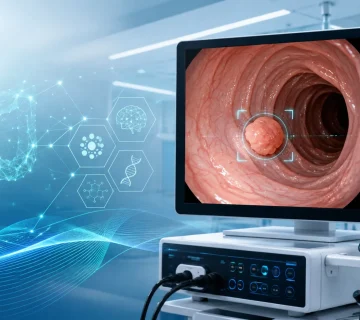
Gastrointestinal endoscopy has evolved from a purely diagnostic procedure into a broad range of advanced diagnostic and therapeutic procedures in recent years. The development of imaging technologies, the emergence of higher-resolution equipment, the use of artificial intelligence systems, the expansion of interventional methods, and the increasing complexity of gastrointestinal diseases have necessitated the continuous updating of the knowledge and skills of physicians working in this field.
The quality of endoscopy services does not depend solely on the availability of advanced equipment; an important part of it also depends on the physician’s scientific knowledge, practical skills, clinical decision-making ability, and familiarity with the latest scientific standards. Therefore, continuous education of physicians is considered one of the essential elements in maintaining and improving the quality of endoscopy services.
Rapid changes in medical knowledge and the necessity of continuous learning
Modern medicine is always changing, and the field of gastrointestinal endoscopy is one of the fields that experiences the fastest evolution. Methods that were considered advanced techniques years ago may have given way to more precise and less invasive methods today.
For example, advances in high-magnification imaging, virtual staining techniques, detection of precancerous lesions, endoscopic resection of complex lesions, and the use of smart technologies require physicians to continually update their knowledge.
Lack of familiarity with new methods can reduce the accuracy of diagnosis, miss important lesions, or choose an inappropriate treatment method. Therefore, continuous education is not a side activity, but an integral part of the professional responsibility of doctors.
The role of continuing education in increasing diagnostic accuracy
One of the most important goals of endoscopy is the accurate and early diagnosis of diseases, especially gastrointestinal cancers. The quality of diagnosis is directly related to the experience, skill, and up-to-date knowledge of the physician.
Specialized training helps physicians become familiar with new criteria for evaluating mucosa, different patterns of lesions, suspicious findings, and standard sampling methods.
For example, in colonoscopy, indicators such as the rate of complete colon visualization, the quality of bowel cleansing, the time it takes to examine the mucosa, and the ability to identify polyps are important determinants of quality. Physicians’ familiarity with these criteria can play an important role in reducing undiagnosed cases of colorectal cancer.
Improving Practical Skills and Reducing Complications
Endoscopy requires practical skills and clinical experience in addition to theoretical knowledge. Many advanced techniques, such as large lesion resection, bleeding control, treatment of strictures, and complex interventional procedures, require specialized training and continuous practice.
Practical training programs, skill-based workshops, and simulation-based training provide physicians with an opportunity to improve their skills and become familiar with standard procedures.
This will not only increase the success of treatment, but also reduce the likelihood of complications and increase patient safety.
The Role of Scientific Societies in Continuing Education of Physicians
Scientific medical societies play an important role in designing and implementing continuing education programs. These societies provide physicians with access to the latest scientific findings by holding congresses, seminars, training courses, and publishing scientific resources.
Also, specialized societies can design standard educational programs in cooperation with universities and scientific centers and create a clear path for improving the skills of physicians.
In the field of gastrointestinal endoscopy, this role is even more important because the standards for performing procedures and treatment techniques are constantly changing, and coordination among specialists is essential for providing quality services.
Continuing Education and Standardization of Endoscopy Services
One of the major challenges in providing endoscopy services is the difference in the level of quality between different medical centers. Continuing education can help reduce these differences and bring physicians’ performance closer to valid scientific standards.
When physicians work according to up-to-date guidelines, processes such as patient preparation, selection of appropriate procedures, recording reports, infection control, and patient follow-up will be performed with higher quality.
Standardization of services will ultimately increase patient confidence, improve treatment outcomes, and enhance the status of the health system.
The Future of Education in Gastrointestinal Endoscopy
The future of endoscopy will be accompanied by new technologies such as artificial intelligence, virtual reality, diagnostic assistance systems, and advanced treatment methods. Physicians who are on a continuous learning path will be more capable of using these technologies correctly and safely.
In the coming years, continuing education will be essential not only to maintain the scientific level of physicians, but also to keep pace with global medical developments.
Conclusion
Improving the quality of endoscopy services is not possible without paying attention to the continuing education of physicians. Medical knowledge, diagnostic technologies, and treatment methods are changing rapidly, and physicians active in this field must constantly update their knowledge and skills.
Continuing education plays a direct role in increasing patient safety and improving the quality of gastrointestinal care by increasing diagnostic accuracy, reducing complications, standardizing services, and improving treatment outcomes.
Investing in physician education is, in fact, an investment in the future of community health.

Share your opinion