


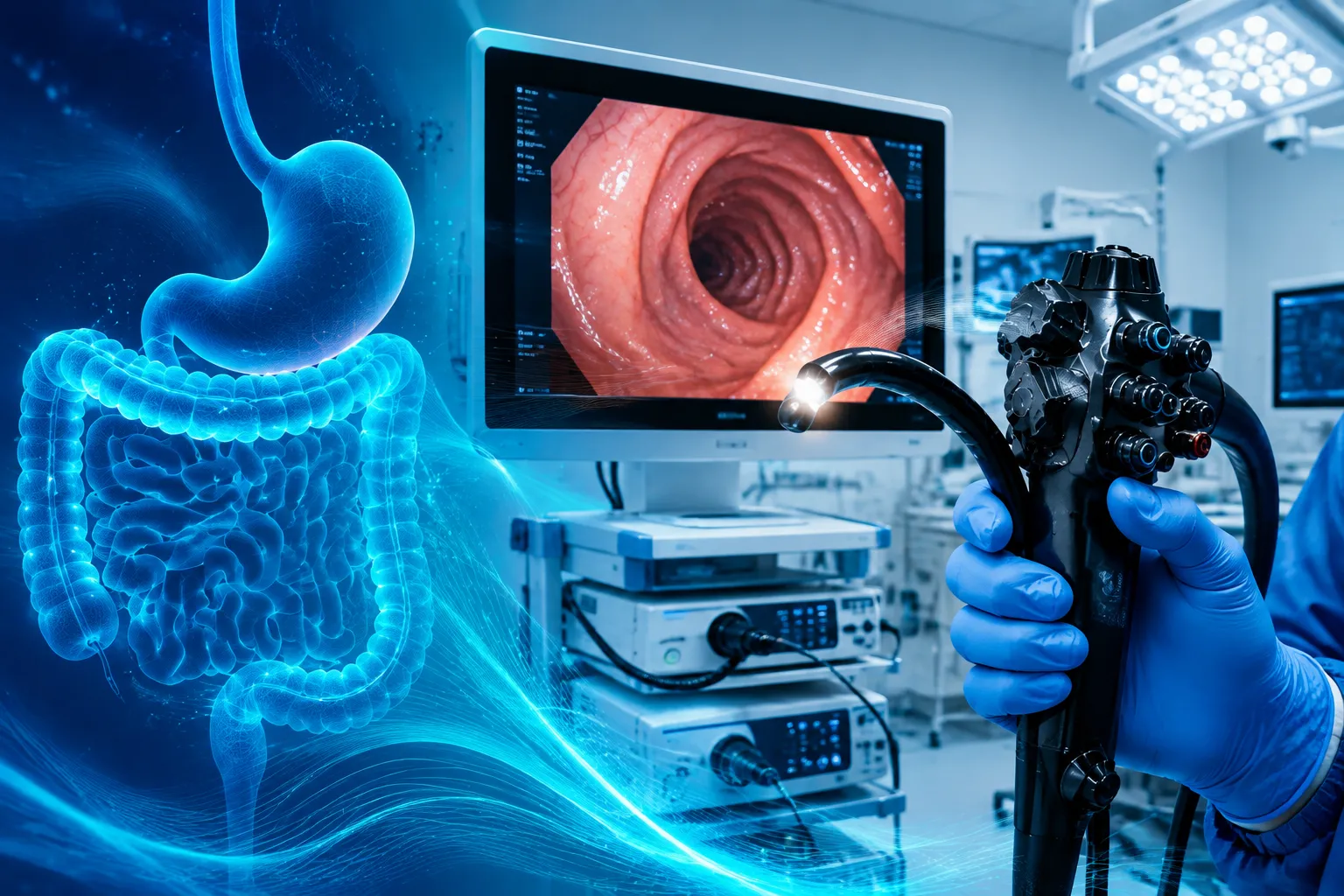
Gastrointestinal endoscopy is one of the most important diagnostic and therapeutic procedures in modern medicine, which allows direct examination of the internal parts of the digestive tract without the need for surgery. This procedure is performed using a flexible instrument equipped with a camera and advanced imaging systems, allowing the doctor to observe and examine the mucosa of the digestive tract with high precision and, if necessary, take the necessary therapeutic measures.
Today, endoscopy is no longer just a simple diagnostic procedure, but has become a broad specialized field that plays a fundamental role in the early detection of cancers, the treatment of gastrointestinal bleeding, the removal of precancerous lesions and the performance of many minimally invasive interventions.
How is gastrointestinal endoscopy performed?
In endoscopy, the doctor uses a device called an endoscope. The endoscope is a thin, flexible tube with a high-quality camera, a light source and special channels for the passage of therapeutic instruments at the end.
There are different types of endoscopy, depending on the area being examined:
Upper GI Endoscopy
This procedure examines the upper parts of the digestive tract, including:
Esophagus
Stomach
The beginning of the small intestine (duodenum).
This procedure is usually performed to check for symptoms such as frequent stomach pain, heartburn, difficulty swallowing, persistent nausea, gastrointestinal bleeding, and to check for stomach ulcers or suspicious lesions.
Colonoscopy
A colonoscopy is used to examine the large intestine and the last part of the small intestine. One of its most important uses is to screen for colon cancer and identify polyps that may develop into cancer in the future.
During a colonoscopy, in addition to viewing the mucosa, the doctor can take a biopsy or remove some lesions, such as polyps.
When is an endoscopy recommended?
The decision to have an endoscopy is based on the patient’s symptoms, medical history, and the opinion of the gastroenterologist. Some of the most important conditions that may require an endoscopy include:
Persistent pain or discomfort in the upper abdomen
Severe or prolonged heartburn
Difficulty or pain when swallowing
Unexplained weight loss
Recurrent vomiting
Blood in the stool or vomiting blood
Anemia of unknown cause
New changes in bowel habits
Family history of digestive cancers
Endoscopy can also be performed as part of screening and early detection programs in people with risk factors.
Diagnostic Applications of Endoscopy
One of the most important advantages of endoscopy is the direct observation of the mucosa of the digestive tract. This feature has made this method useful in the diagnosis of many diseases.
The most important diagnostic applications are:
Diagnosis of peptic ulcers
Endoscopy can identify ulcers in the esophagus, stomach, and duodenum and allow for the investigation of their cause, including Helicobacter pylori infection or the use of certain medications.
.
Identification of inflammation and chronic diseases
Diseases such as esophagitis, gastritis, inflammatory bowel diseases, and mucosal changes caused by chronic diseases can be investigated with endoscopy.
Detection of precancerous lesions and cancers
One of the most important roles of endoscopy is the identification of early cellular changes and lesions that may develop into cancer in the future.
The possibility of performing biopsies of suspicious areas has increased the diagnostic value of this method.
Therapeutic Applications of Endoscopy
Technological advances have made endoscopy a powerful therapeutic tool in addition to diagnosis.
Some of the therapeutic procedures that can be performed with endoscopy include:
Control of gastrointestinal bleeding
In cases such as bleeding from stomach ulcers or vascular lesions, the doctor can control the bleeding through endoscopy.
Removal of polyps
In many cases, colon polyps can be removed during colonoscopy and prevent them from turning into cancer.
Removal of superficial cancerous lesions
Methods such as:
Endoscopic mucosal resection (EMR)
Endoscopic submucosal dissection (ESD)
They have made it possible to treat some early cancers without open surgery.
Treatment of strictures and obstructive problems
Stent placement, opening of strictures, and some other interventional procedures are also possible with endoscopic methods.
The latest techniques in gastrointestinal endoscopy
High Definition Imaging
A new generation of endoscopes with much higher image quality has made it possible to view fine details of the mucosa and help in more accurate diagnosis
Narrow Band Imaging (NBI)
This technology uses specific wavelengths of light to better visualize vascular patterns and the surface of the mucosa and is used in the diagnosis of suspicious lesions.
Magnifying Endoscopy
This technique allows for a more detailed examination of the structure of the mucosa and helps differentiate benign and malignant lesions.
Artificial Intelligence in Endoscopy
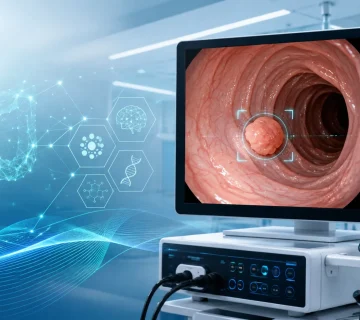
Artificial intelligence-based systems are able to analyze endoscopic images in real time and help identify polyps, suspicious lesions, and increase diagnostic accuracy.
This technology is considered one of the most important future directions of endoscopy and the move towards precision medicine.
Safety and Post-Endoscopy Care
Endoscopy is generally considered a safe procedure, but like any medical procedure, it may be associated with limited complications.
Choosing a standard center, adhering to infection control principles, using appropriate equipment, and having the procedure performed by a trained physician play an important role in increasing patient safety.
After endoscopy, the patient is usually monitored for a short period of time and can resume daily activities after the effects of sedatives wear off.
Summary
Digestive endoscopy is one of the most important medical achievements in the diagnosis and treatment of gastrointestinal diseases. This method plays an important role in increasing the quality of patient care by providing direct observation, accurate sampling, and minimally invasive treatment.
Advances such as advanced imaging, new therapeutic techniques, and artificial intelligence are guiding the future of endoscopy toward greater accuracy, earlier diagnosis, and personalized treatments.
Awareness of the uses of endoscopy and timely referral to investigate warning signs can play an important role in the prevention and successful treatment of digestive diseases.

Share your opinion