


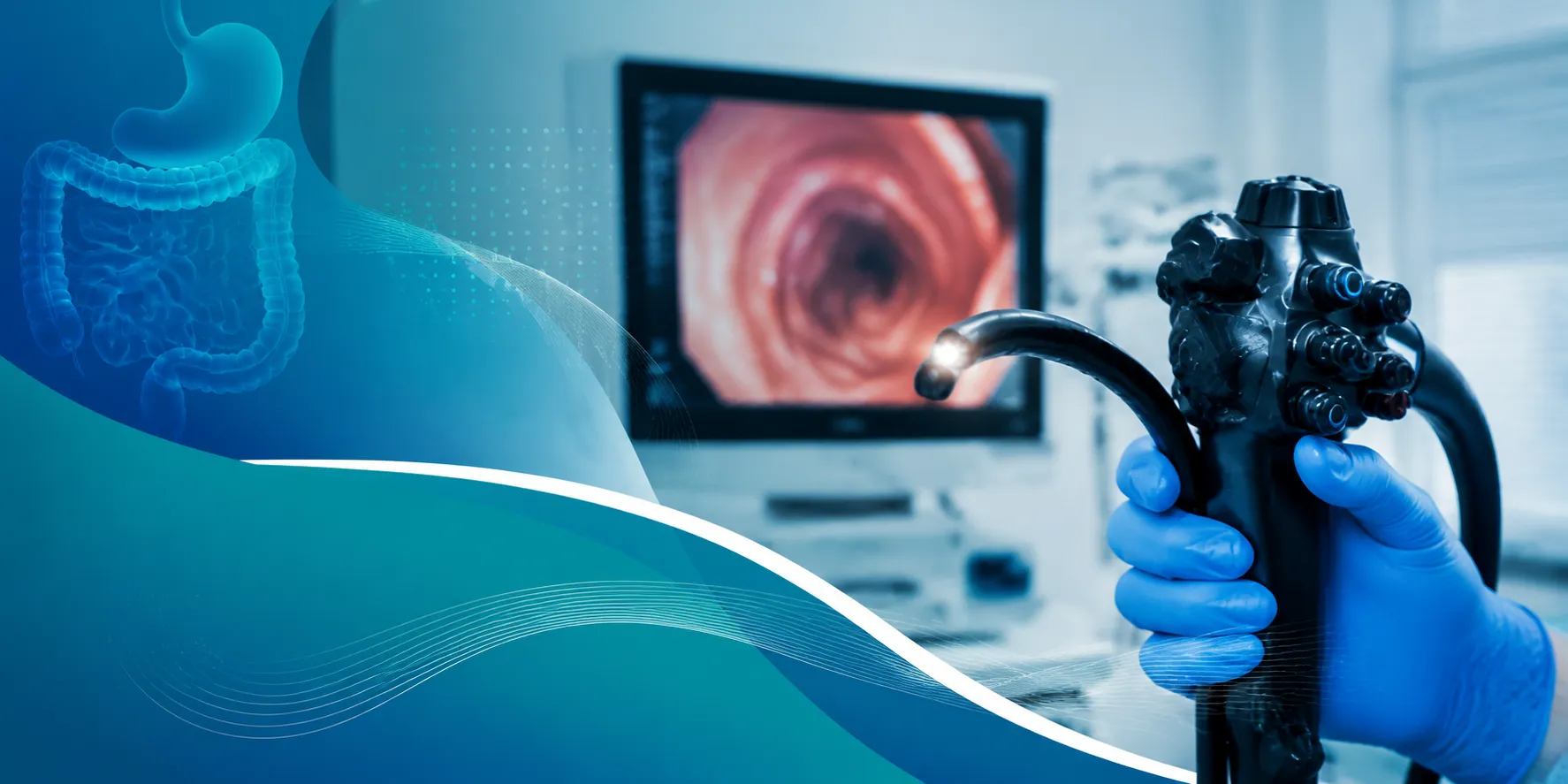
Gastrointestinal cancers are among the leading causes of cancer-related deaths worldwide. Cancers of the esophagus, stomach, colon, and other parts of the digestive system usually present with serious symptoms when the disease is in advanced stages; therefore, early diagnosis plays a decisive role in increasing the chances of treatment, reducing complications, and improving the quality of life of patients.
Gastrointestinal endoscopy, as one of the most accurate methods for directly examining the mucosa of the digestive tract, has a special place in identifying early lesions, precancerous stages, and treatable tumors. This method not only allows for precise observation of the internal surface of the digestive tract, but also has become one of the main pillars of the management of digestive cancers with the ability to take samples and perform simultaneous therapeutic measures.
The importance of early diagnosis of digestive cancers
Many digestive cancers in the early stages may be asymptomatic or cause symptoms similar to common, low-risk diseases. For example, stomach discomfort, changes in bowel habits, unexplained weight loss, or difficulty swallowing can have many causes, but in some cases they may be a sign of a more serious condition.
Early detection of cancer is usually associated with more effective treatment options. At this stage, the tumor may be confined to the superficial layers of the mucosa and may be curable with minimally invasive procedures such as endoscopic resection of the lesion.
In contrast, late detection of the disease can require extensive surgery, more complex treatments, and more complications.
The role of endoscopy in identifying precancerous lesions
One of the most important values of endoscopy is the ability to identify changes that have not yet turned into cancer but increase the risk of developing cancer in the future.
In colonoscopy, identifying and removing colon polyps is one of the most important preventive measures against colorectal cancer. Some polyps, especially adenomas, can change over the years and become cancerous. Removing these lesions at the right time is one of the most effective ways to reduce the spread of colon cancer.
In upper endoscopy, careful examination of the esophagus and stomach mucosa can help identify precancerous changes such as Barrett’s esophagus or dysplastic lesions.
Advancement of endoscopic technologies and increase of diagnostic accuracy
Advances in technology in recent years have increased endoscopists’ ability to detect small and subtle lesions. Advanced imaging systems such as:
Magnifying Endoscopy
Narrow Band Imaging (NBI)
Imaging with virtual colors
Image resolution enhancement techniques
They have made it possible to examine the structure of the mucosa and blood vessels in more detail.
These technologies help the doctor to better distinguish the difference between normal tissue and suspicious lesions and perform targeted sampling if needed.
The role of endoscopic biopsy in definitive diagnosis
One of the most important advantages of endoscopy is the ability to perform direct biopsy of observed lesions. Pathological examination of the samples taken is the main standard for confirming or rejecting the diagnosis of cancer.
Accurate sampling and selection of the appropriate site for biopsy are of great importance, because the quality of the sample can affect the final diagnosis and treatment decision-making.
Close collaboration between the gastroenterologist, endoscopist, and pathologist plays an important role in reaching an accurate diagnosis and appropriate treatment plan.
Endoscopy and cancer screening programs
One of the most important applications of endoscopy is participation in screening programs for people at risk. Screening means examining asymptomatic people to identify the disease in its early stages.
In colorectal cancer, colonoscopy is one of the main screening methods. Performing this examination in age groups and individuals with certain risk factors can identify precancerous lesions and significantly reduce mortality from this disease.
Individuals with a family history of digestive cancers, inflammatory bowel diseases, or certain genetic risk factors may require specific screening programs.
The role of endoscopy in the treatment of early cancers
Today, endoscopy is not only a diagnostic method, but also has a therapeutic role in many cases. In some very early cancers or lesions limited to the superficial layers of the mucosa, methods such as:
Endoscopic mucosal resection (EMR)
Endoscopic submucosal dissection (ESD)
Can completely remove the lesion without the need for open surgery.
These methods have made a significant change in the treatment of early cancers by reducing hospitalization time, reducing complications, and maintaining normal organ function.
The future of cancer diagnosis with the help of new technologies
The future of gastrointestinal endoscopy will be accompanied by technologies such as artificial intelligence, real-time image analysis, and medical decision support systems. These technologies can help increase the detection rate of small lesions, standardize the quality of examinations, and reduce differences in performance between different centers.
Combining the expertise of specialists with smart tools will create a new path towards more accurate diagnosis and personalized treatment of gastrointestinal cancers.
Conclusion
Endoscopy is one of the most important medical tools in the fight against gastrointestinal cancers. The ability to directly observe the mucosa, perform biopsies, identify precancerous lesions, and even treat some early cancers has made this method an integral part of the diagnosis and management of gastrointestinal diseases.
Increasing public awareness, developing screening programs, continuing education of specialists, and utilizing new technologies can play an important role in early cancer detection and increasing the success rate of treatment.

Share your opinion